Contenu source (brut)
<p class="wp-block-paragraph">A 3D printer can make a custom enclosure in a few hours, and getting the design right can take longer. The screw holes have to line up with the circuit board, the ports need room for their connectors, and the lid has to close without pressing against the components.</p>
<p class="wp-block-paragraph">A mistake of a few millimetres can mean printing the whole thing again.</p>
<figure class="wp-block-video"><video height="720" style="aspect-ratio: 1280 / 720;" width="1280" controls src="https://taodaily.io/wp-content/uploads/2026/11/What-CADmind-Does.mp4"></video><figcaption class="wp-element-caption">What CADmind Does</figcaption></figure>
<p class="wp-block-paragraph">CADmind (SN42) has launched on <a href="https://taodaily.io/fun-fact-dippy-gained-over-8-million-users-without-spending-a-dime-on-ads/">Bittensor</a> to handle the design work between the idea and the first print. Users describe the part they need, and an AI agent run by a miner turns that brief into an engineering project.</p>
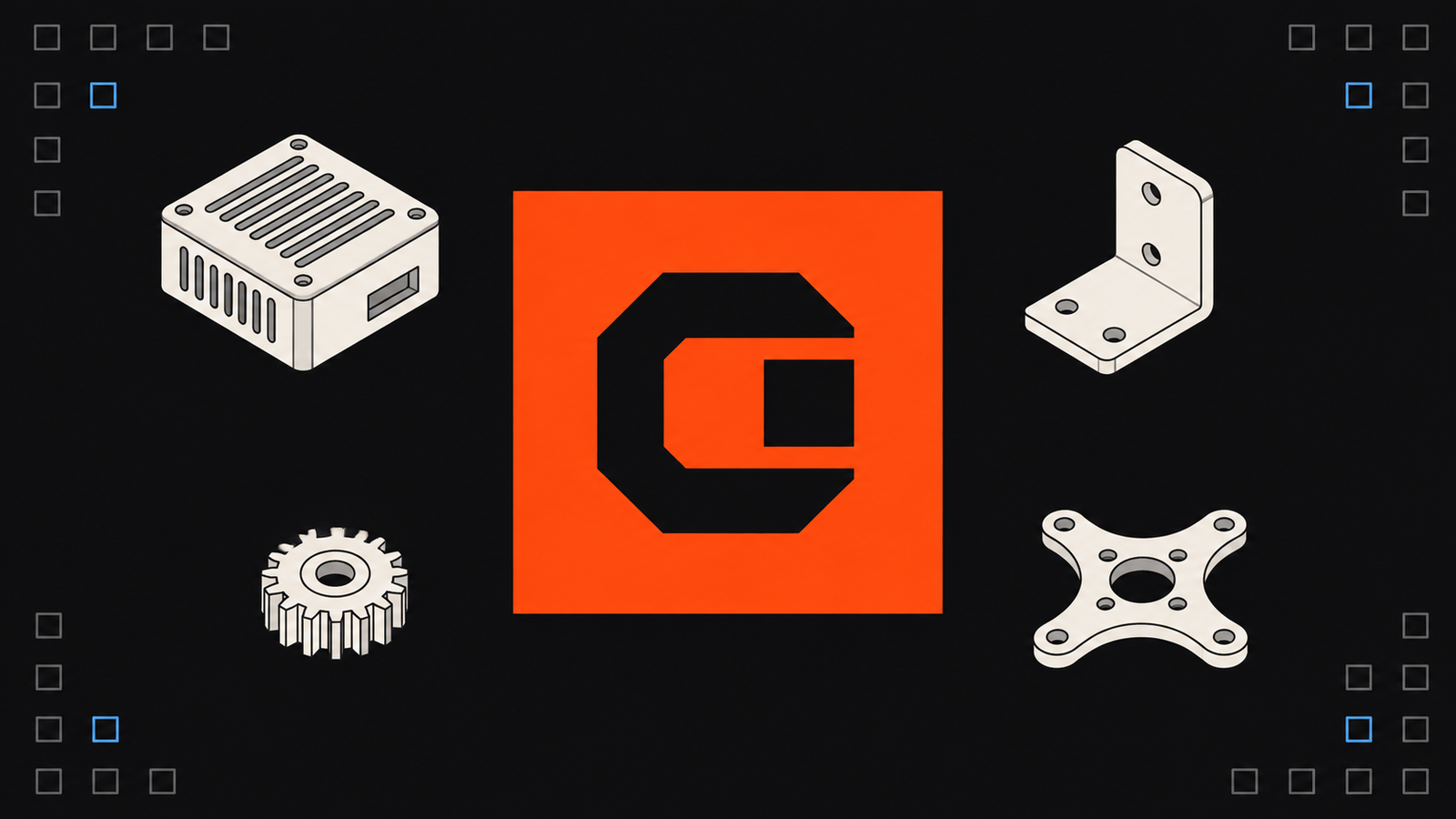
<p class="wp-block-paragraph">Backed by <a href="https://taodaily.io/meet-yuma-groups-growing-portfolio-of-bittensor-subnets/">Yuma Group</a>, the subnet is targeting work such as custom enclosures, mounting brackets, and components for drones and robots.</p>
<h2 class="wp-block-heading">How a Brief Becomes a CAD Design</h2>
<p class="wp-block-paragraph">Users explain what the part should do, which components it needs to fit, and what limits the design has to meet. They can attach photos, and CADmind (SN42) can ask follow-up questions when the brief leaves a detail unresolved.</p>
<figure class="wp-block-image size-large is-resized"><img loading="lazy" decoding="async" width="1024" height="485" src="https://taodaily.io/wp-content/uploads/2026/11/image-107-1024x485.png" alt="" class="wp-image-26338" style="aspect-ratio:2.108108108108108;width:624px;height:auto" srcset="https://taodaily.io/wp-content/uploads/2026/11/image-107-1024x485.png 1024w, https://taodaily.io/wp-content/uploads/2026/11/image-107-300x142.png 300w, https://taodaily.io/wp-content/uploads/2026/11/image-107-768x364.png 768w, https://taodaily.io/wp-content/uploads/2026/11/image-107.png 1882w" sizes="(max-width: 1024px) 100vw, 1024px" /><figcaption class="wp-element-caption"><a href="https://cadmind.ai/">CADmind (SN42)’s Website</a></figcaption></figure>
<p class="wp-block-paragraph">For an enclosure, naming the board and specifying which ports need to stay accessible gives the agent concrete requirements to work from.</p>
<p class="wp-block-paragraph">The agent builds the design using hosted Watt engineering tools. Those tools check requirements such as dimensions, clearances, and mounting positions. The validator reruns the checks on the submitted design before it reaches the user.</p>
<h2 class="wp-block-heading">What Users Receive</h2>
<p class="wp-block-paragraph">A completed project includes a STEP file for the full assembly and STL or 3MF files for the parts that need printing.</p>
<figure class="wp-block-image size-large is-resized"><img loading="lazy" decoding="async" width="1024" height="484" src="https://taodaily.io/wp-content/uploads/2026/11/image-108-1024x484.png" alt="" class="wp-image-26339" style="aspect-ratio:2.1152542372881356;width:624px;height:auto" srcset="https://taodaily.io/wp-content/uploads/2026/11/image-108-1024x484.png 1024w, https://taodaily.io/wp-content/uploads/2026/11/image-108-300x142.png 300w, https://taodaily.io/wp-content/uploads/2026/11/image-108-766x362.png 766w, https://taodaily.io/wp-content/uploads/2026/11/image-108.png 1896w" sizes="(max-width: 1024px) 100vw, 1024px" /><figcaption class="wp-element-caption">CADmind’s Gallery</figcaption></figure>
<p class="wp-block-paragraph">CADmind (SN42) also provides a bill of materials with part numbers where available and instructions for putting everything together.</p>
<p class="wp-block-paragraph">If the design calls for screws or threaded inserts, the user can see which hardware to buy and where it goes.</p>
<h2 class="wp-block-heading">How the Subnet Rewards Miners</h2>
<p class="wp-block-paragraph">CADmind (SN42) assigns each job to one miner. Its published routing rules give most jobs to available miners with stronger results on previous client work.</p>
<p class="wp-block-paragraph">Every fifth job goes to the available miner who has waited longest, giving newer miners a chance to establish a record. Downloads and ratings help determine how delivered work is scored.</p>
<p class="wp-block-paragraph">A single validator operated by CADmind (SN42) currently routes jobs and sets miner weights, which determine how miners share the subnet’s emissions.</p>
<p class="wp-block-paragraph">It publishes hourly reports and records a cryptographic fingerprint of the latest report on Bittensor. Anyone can use those reports and the open-source scoring code to verify the published weights.</p>
<h2 class="wp-block-heading">How CADmind (SN42) Compares With Other Bittensor Subnets</h2>
<p class="wp-block-paragraph"><a href="https://taodaily.io/describe-a-game-404-gen-sn17-builds-the-3d-world-tests-it-and-critiques-it/">404—GEN (SN17)</a> is the closest comparison in 3D generation. It develops tools for creating assets for games, virtual worlds, and immersive experiences. Its miner competition evaluates models through rendered views, where shape and visual fidelity matter. CADmind (SN42) checks whether the geometry meets the requirements of a physical build, such as whether a bracket lines up with mounting holes on an existing device.</p>
<p class="wp-block-paragraph"><a href="https://taodaily.io/ryan-bequette-explains-what-carbon-is-building-next/">Carbon (SN116)</a> approaches engineering through physics simulation. Its work focuses on using machine learning to predict how physical systems behave under specified conditions. The two projects address different stages of development. CADmind (SN42) can help draft a part that fits into an assembly, while physics simulation can help engineers study how a design behaves under operating conditions.</p>
<h2 class="wp-block-heading">The First Print Is the Real Test</h2>
<p class="wp-block-paragraph">CADmind (SN42) gives makers two ways to start. They can browse public briefs and completed designs, download the files for free, and adapt a project to their needs. If they need a custom part, they can sign up with an email address, use their starter credits, and see the cost of the design before submitting a brief.</p>
<p class="wp-block-paragraph">The value of that design becomes clear at the workbench. If a maker can print an enclosure, screw the board into place, and plug in every cable without having to redraw the part, CADmind (SN42) has saved them a round of design and reprinting. Delivering that result consistently is what would make the subnet useful for makers building one-off parts and engineers working through early prototypes.</p>
<h2 class="wp-block-heading">Useful Resources</h2>
<p class="wp-block-paragraph">Follow CADmind (SN42) Via:</p>
<p class="wp-block-paragraph">1. Website: <a href="https://cadmind.ai/">https://cadmind.ai/</a></p>
<p class="wp-block-paragraph">2. X: <a href="http://x.com/CAD_mind_subnet/">http://x.com/cad_mind_subnet/</a></p>
<p class="wp-block-paragraph">3. GitHub: <a href="http://github.com/cadmindai/cadmind-einstein">github.com/cadmindai/cadmind-einstein</a></p>
<p class="wp-block-paragraph">4. Discord: <a href="https://discord.com/channels/799672011265015819/1486496645058138152">https://discord.com/channels/799672011265015819/1486496645058138152</a></p>